
Conservation, Education, Rehabilitation
YES, YOU ARE IN THE RIGHT PLACE!
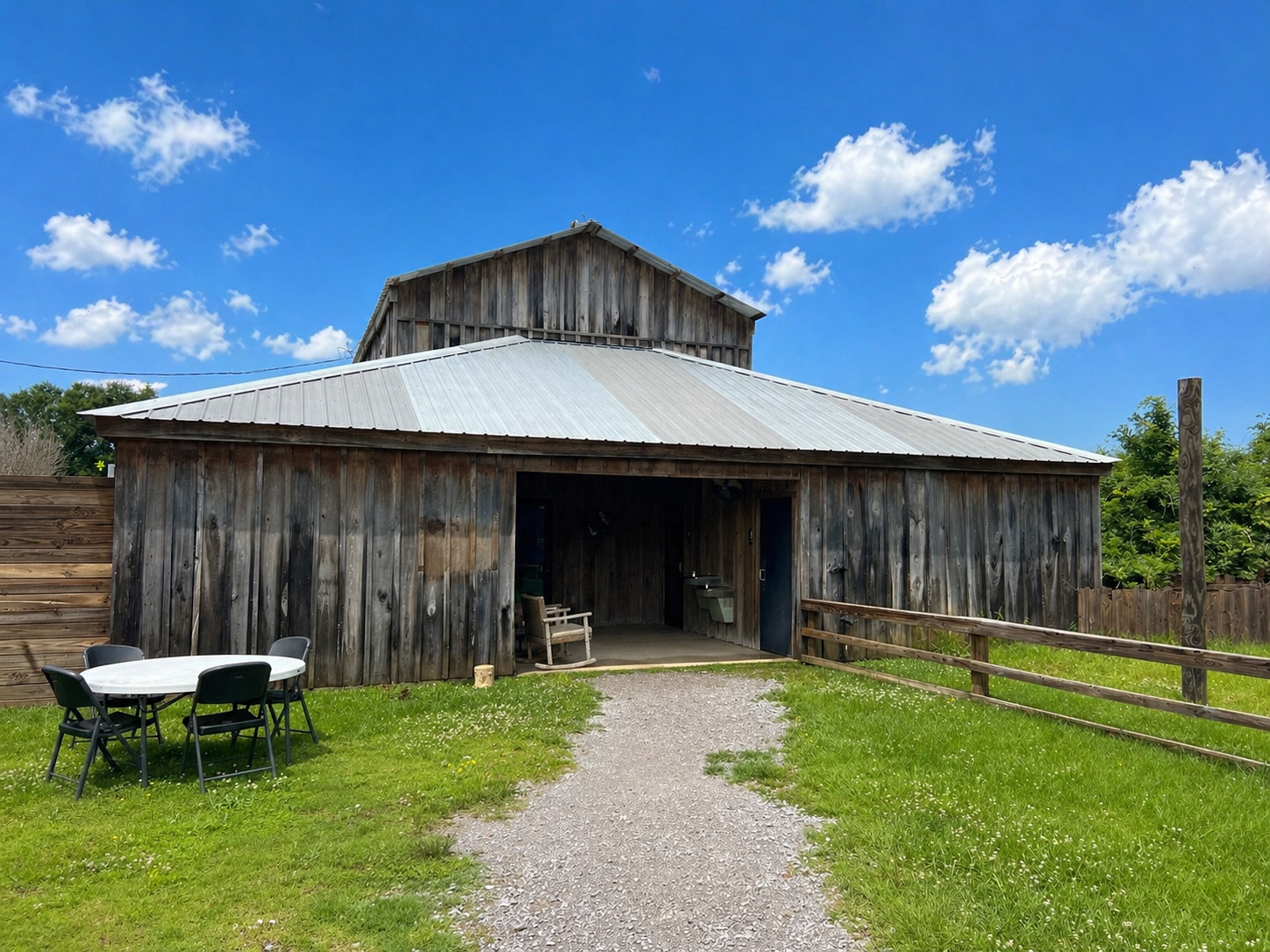
We are the new nonprofit animal sanctuary taking over the former Barn Hill Preserve/Magnolia Wilds property. Our team has cared for these animals , and we’re honored to continue providing a safe, ethical, and stable home for them under our new organization.
Please excuse our progress. Our website is currently under construction as we transition everything to Sanctuary Hill, but updates are coming very soon.
All previous bookings are still valid. If you already scheduled a tour or an otter swim through Barn Hill/Magnolia Wilds, your reservation is honored and confirmed under Sanctuary Hill.
You can still schedule tours and otter swims during this time. If you run into any issues or need help booking, please call us directly at 225‑286‑3003.
Thank you for your patience and for supporting Sanctuary Hill as we build a better future for the animals and our community.
Our Mission
Sanctuary Hill will provide lifelong, humane care for displaced, rescued, and non-releasable animals while promoting ethical wildlife stewardship through education, transparency, and community engagement.
The specific objectives and purpose of this organization shall be:
Animal Rehabilitation
Provide immediate rescue, medical care, and rehabilitation services for animals that are injured, displaced, or otherwise in distress.
Develop individualized treatment and recovery plans to ensure each animal receives appropriate veterinary and behavioral support.
Safely release rehabilitated wildlife back into their natural habitats whenever possible.
Lifelong Sanctuary Care
Offer permanent, high‑quality housing and care for animals that cannot be safely released or rehomed.
Maintain species‑appropriate environments that support physical and emotional well‑being.
Ensure lifelong enrichment, nutrition, and veterinary oversight for all resident animals.
Education & Stewardship
Promote responsible animal stewardship through public education programs, workshops, and outreach initiatives.
Develop curriculum and materials that teach conservation, humane treatment, and coexistence with wildlife.
Partner with schools, youth groups, and community organizations to expand educational impact.
On‑Site Educational Tours
Provide guided tours of the facility to educate visitors about animal rehabilitation, sanctuary operations, and conservation practices.
Create safe, respectful viewing opportunities that prioritize animal welfare.
Use tours to foster empathy, awareness, and community support for animal protection.
Community Outreach
Conduct off‑site educational visits to schools, libraries, community centers, and public events.
Offer hands‑on learning experiences and presentations that highlight local wildlife, responsible pet ownership, and environmental stewardship.
Build partnerships with local agencies and organizations to strengthen community engagement and conservation effort
Have a Question?
Send us a note and we’ll get back as soon as possible